
Leave Your Message

Blog

How to Choose the Right Metal Grating in 2026?

How to Choose the Right Metal Grating in 2026?

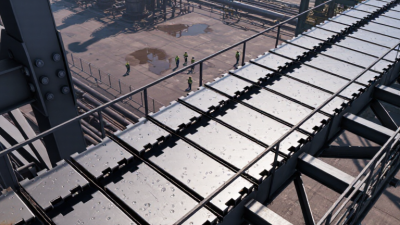
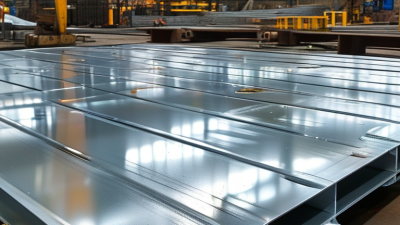
Picking the right Metal Grating in 2026 isn’t just about comparing prices, finishes, and what’s in stock. Honest answer? It starts with the place it’s actually going. A pedestrian walkway, a chemical plant platform, a rooftop screen, a drainage trench—each one asks for something different. Every site has its own story, really. Kevin Lewis, a Metal Grating applications specialist at Direct Metals Company, LLC, puts it this way: “The correct grating is selected by load, span, environment, and use—not by appearance alone.” That’s still the most practical rule. Measure the clear span carefully. Write down wheeled loads, foot traffic, opening limits, and support conditions. A grating that feels rock-solid under people walking might flex under a loaded cart. And small mistakes? They get expensive later. Material choice matters just as much. Carbon steel works well for a lot of general industrial areas, while aluminum cuts weight and makes handling easier. Stainless steel can hold up better around moisture, salt, or harsh cleaning chemicals. Surface treatment isn’t a small detail either. Serrated bars give you better traction, but they can trap dirt in food-processing spaces. Smooth surfaces clean up faster, but they can get slippery when wet. No option is perfect—there’s always a trade-off. This guide looks at bearing bar depth, spacing, load capacity, corrosion resistance, fabrication, and installation needs. It also nods to standards and supplier documentation from folks like McNICHOLS Co. and Marco Specialty Steel, Inc. But product tables can’t replace a site visit. Conditions change. A drawing might not show vibration, standing water, or uneven supports. Good selection leaves room for that uncertainty. Mistakes happen. The goal is to cut them down with evidence, measurements, and an honest review.
Read more »
Jackson By:Jackson - October 15, 2026
2026 Best Steel Walkway Grating Types for Global Buyers

2026 Best Steel Walkway Grating Types for Global Buyers

So you're trying to pick the right Steel Walkway Grating for 2026? It’s not just about price tags or surface patterns. If you’re buying globally, you’ve got to look at load requirements, corrosion exposure, drainage, how often people will use the walkway, and how local crews actually install the stuff. A walkway next to a coastal processing unit? It’s dealing with salt spray, standing water, and heavy maintenance traffic. An indoor platform, on the other hand, might get away with a lighter, more budget-friendly solution. This guide walks through the main grating types used in industrial plants, warehouses, bridges, stairways, and public infrastructure. That includes welded steel grating, press-locked grating, riveted grating, serrated surfaces, and galvanized or painted finishes. Each one has real strengths, and each one has limits. Truth is, no single type is the perfect answer for every project. Most experienced engineers start with load tables, span measurements, bearing-bar dimensions, and support spacing. They also look at slip resistance when things are wet or oily. And procurement teams? They should ask suppliers for material certificates, coating details, dimensional tolerances, and verified test data. Those documents help with traceability and make purchasing decisions a lot more reliable. Small details matter, too. A serrated surface can give you better footing, but it might make cleaning more of a pain. Hot-dip galvanizing can add years of service life, though damaged edges still need attention. Stainless steel can hold up better in aggressive environments, but the higher cost can be tough on a project budget. These trade-offs are worth evaluating honestly. There’s also an uncomfortable reality here: product catalogs rarely show every problem you’ll run into in the field. Installation mistakes, bad drainage, and incorrect support spacing can hurt performance no matter how good the grating is. So buyers should compare technical evidence with real site experience. The best choice isn’t always the cheapest or the strongest. It’s the one that still holds up after years of footsteps, weather, maintenance, and imperfect conditions.
Read more »
Oliver By:Oliver - October 11, 2026
Top 10 Galvanized Steel Gas Pipe Manufacturers Worldwide

Top 10 Galvanized Steel Gas Pipe Manufacturers Worldwide

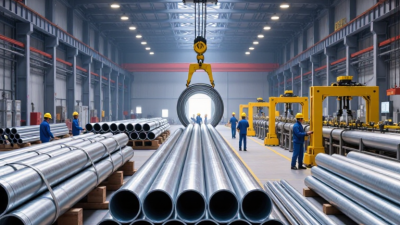
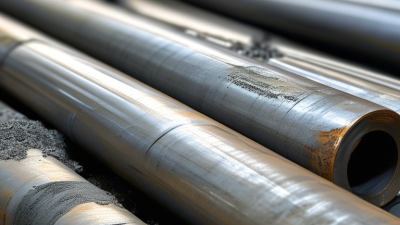
Choosing a reliable Galvanized Steel Gas Pipe manufacturer? Honestly, it takes more than comparing prices. You need evidence—real proof, not just a nice quote. The World Steel Association put worldwide crude steel production at roughly 1.89 billion tonnes in 2023. That kind of scale gives you a huge supply base, sure, but it also means quality can be all over the place. Manufacturing controls, coating thickness, threading accuracy, traceability—these things can differ a lot from one supplier to the next. The American Galvanizers Association has pointed out that zinc coating performance depends on steel chemistry, surface preparation, and inspection. And that's exactly the kind of detail people tend to skip. Gas infrastructure doesn't let you cut corners, either. ASTM A53, ISO 1461, and ASME B31.8 are useful reference points for materials, coatings, and pipeline design. But meeting one standard doesn't automatically mean a pipe is right for every gas application. Local codes, operating pressure, soil conditions, gas composition—they all still matter. The International Energy Agency's gas market reports also show that as gas networks expand and age, the need for dependable maintenance materials keeps growing. Dr. Mars G. Fontana, a well-respected corrosion engineering authority, once wrote, 'Corrosion is the destructive attack of a metal by chemical or electrochemical reaction with its environment.' That still holds up. Zinc protection can slow that attack down, but it can't fix bad installation or weak inspection. Now, this ranking isn't perfect. Public data is inconsistent. Some manufacturers share more than others do. So the following Top 10 Galvanized Steel Gas Pipe Manufacturers Worldwide looks at production capability, certification visibility, export experience, product consistency, and technical support. The strongest names aren't always the biggest. Sometimes the quieter documentation tells the clearer story.
Read more »
Nathan By:Nathan - October 7, 2026
Why Is Driveway Grating Ideal for Global Buyers?

Why Is Driveway Grating Ideal for Global Buyers?

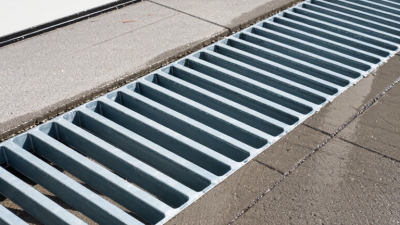
Driveway Grating, which you can check out [here](https://www.xbd-industry.com/driveway-grating), has really become a popular choice around the world for folks looking for reliable surface drainage, safer access, and good long-term value. You know how rain doesn’t wait for a perfect moment? It sneaks in, pools up next to garage doors, crosses over paving joints, and exposes weak points in drainage pretty fast. That’s why a well-designed grate is so important—it catches that water before it starts causing damage or making walking surfaces slippery. Chris Longhurst, the Technical Director at ACO Technologies plc, puts it nicely: “A drainage channel only works well when you think about water, load, and maintenance all together.” This is a pretty crucial point whether you’re dealing with a home driveway, a commercial parking lot, or a light-traffic walkway. Before you place an order, it’s good idea to check out things like how deep the channel is, what kind of load it can handle, the material of the grate, where the outlet is, and how easy it is to clean. Galvanized steel gives a tough, industrial look, which might be perfect for some settings, while stainless steel is often better if you’re near the coast or want something more visually appealing. Polymer concrete offerings can also be pretty effective—they’re strong and help water drain efficiently. Details matter a lot here. For example, a narrow slot might look sleek and stylish, but it can get blocked by leaves pretty quickly. On the other hand, a wider opening might drain water better but could be less comfortable for pedestrians or cyclists. So, it’s worth thinking through these pros and cons honestly. No product is perfect, really. Factors like local rainfall, soil type, quality of installation, and how well you keep up with maintenance can all change how well it performs. Brands like ACO Technologies and NDS publish plenty of technical details, so it’s smart to grab their data for a side-by-side comparison. If you’re buying from abroad, ask for drawings, installation guides, detailed specs, and clear warranty info. Getting an independent engineer to review your plans can save you some big headaches and costly mistakes. Remember, driveway grating isn’t just about the look—it’s part of a bigger water management system. The visible design is important, but it has to work behind the scenes too, supporting the hidden performance. Overall, choosing the right driveway grate isn’t just about picking the coolest-looking one. It’s about understanding how everything fits together—water, load, installation, and ongoing maintenance—to keep things safe and effective in the long run.
Read more »
Ava By:Ava - October 1, 2026
How to Choose the Right Metal Vent Pipe?

How to Choose the Right Metal Vent Pipe?

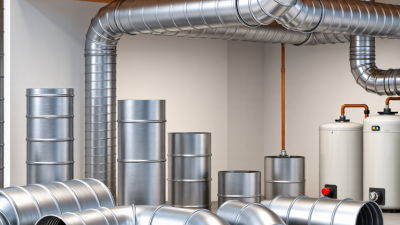
Picking out the right Metal Vent Pipe really starts with the appliance itself, not just what’s on the shelf. I mean, a wood stove, a furnace, and a water heater all might need totally different venting setups. It's a good idea to double-check the manual for each appliance—look for the recommended pipe type, diameter, and operating limits. Just because a pipe looks like it fits doesn’t mean it actually does. Sometimes appearances can be deceiving. Details matter a lot here. The wall construction of your space can influence things like heat protection and clearance requirements. The route you choose for the vent impacts draft, how well it stays supported, and how many elbows you’ll need to make everything fit. Make sure to measure the entire path—through the ceiling or roof included—and then compare those measurements to what the pipe manufacturer recommends. Keep in mind, single-wall and double-wall pipes aren’t always interchangeable, and not all metals are suitable for every type of fuel or temperature. So, it’s worth paying attention to those details. If you’re even a little uncertain, don’t hesitate to do a double check. Factors like corrosion resistance, how the joints are designed, and whether the fittings are compatible can really influence how well everything will perform over time. Even a tiny mismatch in pipe diameter can cause issues down the line. This guide is here to help you compare different materials, pipe styles, sizes, and installation rules—without just guessing based on looks. Plus, it points out good questions to ask a qualified installer, especially when the appliance manual isn’t super clear. Never assume one vent system will work perfectly for any appliance. Always verify each component before buying. The key is to follow the instructions from the appliance and pipe manufacturers, along with any local codes. Taking that extra moment to verify might seem slow, but honestly, it’s almost always worth it in the long run.
Read more »
Jackson By:Jackson - September 26, 2026
7 Tips for Choosing Stainless Steel Pipe Fittings?

7 Tips for Choosing Stainless Steel Pipe Fittings?

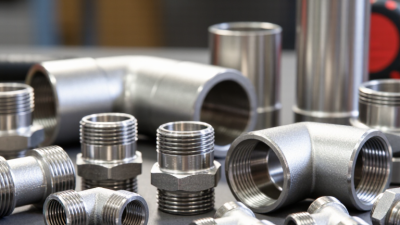
Picking out Stainless Steel Pipe Fittings isn’t just about grabbing shiny metal parts off the shelf. In real-world setups, you’ve gotta make sure the fitting matches the pipe’s grade, pressure specs, connection style, and the environment it’ll be working in. Getting it wrong can lead to leaks, rust, headaches with maintenance, or even costly replacements down the line. Little details really do matter. I’ve put together this quick guide with seven practical tips, based on real experience with fabrication and installation. It covers things like material grades (think 304 or 316), thread quality, weld prep, how precise the dimensions are, surface finish, and whether the supplier's reliable. For example, if you’re installing fittings near saltwater equipment, you’ll want something with better corrosion resistance compared to ones used indoors. Always check the technical data—don’t just judge by looks, Most qualified engineers and seasoned buyers review standards, test reports, tolerances, and traceability before giving the green light. But honestly, sometimes the specs aren’t crystal clear, and product descriptions can leave you with questions. That’s totally normal. So, don’t hesitate to ask if the fittings have been inspected, how they’re packed, and if the supplier can deliver consistent batches. Doing a quick visual check under good lighting can spot rough threads, scratches, or uneven polishing—yeah, it’s not a full inspection, but it’s better than nothing. Choosing the right fittings is all about balancing performance, durability, how they fit your installation conditions, and what it’s gonna cost overall. These tips should help you compare options more confidently and steer clear of small mistakes that might seem minor when you buy but become big problems during operation. Good fittings make for a reliable piping system, and smart judgment is what keeps everything running smoothly.
Read more »
Ava By:Ava - September 22, 2026
How to Choose the Right Stainless Steel Elbow?

How to Choose the Right Stainless Steel Elbow?

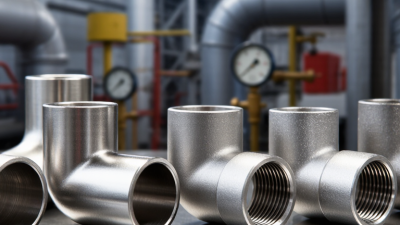
Picking out the right Stainless Steel Elbow isn’t just about how it looks in a catalog; it really starts with understanding your service conditions. Sure, a shiny finish might seem trustworthy, but that doesn’t mean it’ll hold up in chloride-heavy water. Did you know that in 2023, the World Stainless Association reported around 58.4 million tonnes of global crude stainless steel production? That number shows how important stainless steel is worldwide, but not every grade fits every purpose—especially when it comes to elbows. According to industry insights from Grand View Research, sectors like construction, chemical processing, and energy are major users of stainless steel. Each of these environments puts different demands on the material—think pressure, temperature, corrosion, and cleaning. For example, a 304 elbow might work just fine in regular water systems, but if you’re dealing with chlorides or aggressive fluids, you might want to go with a 316L. Just keep in mind, that’s not a one-size-fits-all. Things like concentration levels, temperature, weld quality, and even crevice exposure can really change how well an elbow performs. Corrosion engineer Pierre R. Roberge sums it up nicely—“Corrosion is basically the deterioration of a material, usually metal, caused by chemical or electrochemical reactions with its environment.” This is so relevant when choosing an elbow. It might look small, but those bends, welds, and internal surfaces can really impact your system’s reliability. Before placing an order, make sure you check standards like ASTM A403, ASME B16.9, along with dimensions, wall thickness, and pressure ratings. And if traceability matters, ask whether it’s seamless or welded, and request mill certificates or PMI testing. This guide breaks down everything—grades, schedules, radii, connections, and manufacturing quality. It also points out some common shortcuts people take. Remember, the lowest price isn't always the least risky choice. But, honestly, no matter how much we plan, real-world operating data is what really makes the difference. That's why engineering judgment—your gut feeling and experience—is still so crucial here.
Read more »
Oliver By:Oliver - September 18, 2026
How to Choose the Right Seamless Steel Pipe?

How to Choose the Right Seamless Steel Pipe?

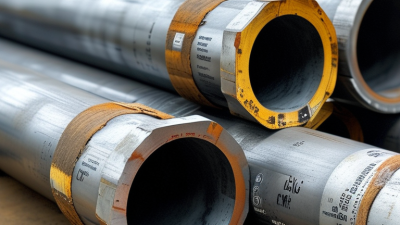
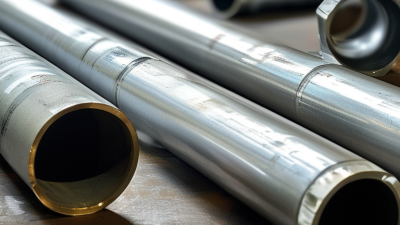
Picking the right seamless steel pipe isn't just about finding the lowest price — it really depends on where and how you'll use it. For example, a pipe that's supposed to carry steam, crude oil, or compressed gases faces pretty different risks and demands. Things like temperature, pressure, corrosion, wall thickness, and how long the pipe needs to last should all be looked at together. Skimp on just one detail, even a small one, and it could turn into a big headache down the line, like costly repairs or replacements. I remember Dr. George Krauss, a well-respected steel metallurgist, once said, “Steel performance depends on how it's processed, its structure, and the conditions it's used under.” That’s pretty much still true today. When you're comparing products like carbon steel seamless pipes from brands like Vallourec, Tenaris, or Nippon Steel, don’t just glance over the certificates — really dig into what they say. They should clearly state the chemical makeup, mechanical properties, heat treatments, dimensions, and make sure they meet standards like ASTM A106 or API 5L. And hey, don’t treat those certificates as just decorations — check them out thoroughly. And if you’re seasoned in this stuff, you know to also look closely at the pipe ends, surface markings, the shape (is it perfectly round?), and ultrasonic test records. Imagine you get a pipe that looks perfect — clean threads, no dents — but then you notice the wall thickness varies a bit. It may look fine at first glance, but could cause problems during installation or pressure testing. That kind of thing deserves some extra attention. Remember, price alone isn’t a good enough guide. The smartest move is to match the material grade with what the pipe will actually face — like cyclic loads, corrosive acids, welding, or outdoor exposure. Always ask for traceability, like from the heat number all the way to the delivery documents. Some specs might still feel a little fuzzy — and that’s normal — but leaving questions unanswered isn’t a good idea. This guide is here to help you compare suppliers, standards, testing info, and overall value before you make that purchase. It’s all about making sure you get a pipe that’s truly right for your needs.
Read more »
Jackson By:Jackson - September 13, 2026
What Is the Best Stainless Steel Coupling Supplier in China?

What Is the Best Stainless Steel Coupling Supplier in China?

When you're trying to find the best Stainless Steel Coupling supplier in China, simply comparing prices from catalogs isn't enough. You really need to look into the quality of the materials, how they control their manufacturing process, and whether they have solid experience in the application. According to Grand View Research’s report on the Stainless Steel Market, sectors like construction, automotive, and industrial equipment are the biggest buyers out there. These industries need couplings that stay accurate in size, resist corrosion, and can be traced back through production records. A coupling used near a chemical pump isn’t the same as a small plumbing fitting—you gotta consider these things. If you're a serious buyer, it’s smart to check what grades each supplier offers—think 304, 316, or duplex stainless steels—and verify that they meet standards like ASTM, ASME, EN, or ISO. The ISO 9001 certification supports consistent quality management, but honestly, just having the badge isn’t enough. You’ll want to ask for the mill test certificates, heat numbers, pressure test results, and even some photos of their inspections. Those little details can tell you a lot. Meanwhile, MarketsandMarkets’ reports on the Industrial Valves Market show that there's ongoing demand for reliable flow-control parts across energy, water treatment, and processing industries. It’s a good thing, but it can also be pretty confusing—some suppliers look great online but don’t perform well once you get into technical chats. No supplier is perfect, but when you're comparing, make sure to look at machining tolerances, thread accuracy, surface finish, how they package things, lead time, and how they handle after-sales support. You can usually spot a factory that knows what they’re doing in the small things—like clean threads, protected sealing surfaces, properly labeled boxes, and consistent samples. The best supplier in China isn’t always the cheapest; it’s the one who can repeatedly deliver the right stainless steel coupling, backed by clear documentation and real support suited to your needs.
Read more »
Lila By:Lila - September 8, 2026
2026 Best Galvanised Steel Grating for Your Projects?

2026 Best Galvanised Steel Grating for Your Projects?

When you're diving into modern construction projects, picking the right materials is a pretty big deal. For 2026, one standout option is definitely Galvanised Steel Grating. It’s often seen as a go-to choice because it ticks all the boxes — strength, durability, and versatility. Lots of companies like Grating Pacific and A-1 Steel are already offering some high-quality options, so finding good stuff isn’t a problem. Honestly, investing in galvanised steel grating can really give your project that extra edge in terms of longevity and overall performance. Now, understanding what makes galv steel grating so special is key. The zinc coating gives it impressive resistance to corrosion, which is a huge plus if your project’s in a tough or exposed environment. When professionals look at these materials, they’re usually weighing the balance between cost and quality. But heads up — not all galv steel options are created equally. Picking the wrong one can cause headaches later on, so it’s worth taking the time to choose wisely. That said, nothing’s perfect, right? It can get pretty overwhelming trying to figure out which type and size to go for. Sometimes, people jump into decisions without enough guidance, which isn’t ideal. That’s why experts recommend chatting with experienced suppliers — they can help you avoid some common pitfalls. And trust me, prioritizing quality over just saving a few bucks usually pays off in the long run. All in all, galvanised steel grating is a solid choice you should definitely consider for your next project.
Read more »
Nathan By:Nathan - September 4, 2026
How to Choose the Best Steel Grating for Your Project?

How to Choose the Best Steel Grating for Your Project?

Hey, have you ever come across Steel Grating? It's honestly a pretty important part of a lot of construction projects these days. People love it because it's strong, lasts really well, and doesn’t break the bank. A report from Market Research Future even says that by 2025, the global steel grating market is expected to grow quite a bit — mainly because industries are looking for safer and more efficient solutions. Picking the right type of steel grating isn’t exactly a walk in the park though. You have to think about things like how much weight it can handle, the spacing between bars, and what kind of material you need. For example, if you're working on something heavy-duty, you’ll want a grating that can handle big loads. But if it’s just for pedestrian walkways, lighter options might do the trick. It’s really important to match the grating’s specs with what your project actually needs. That said, with so many options out there, it can get pretty overwhelming for folks trying to make the right choice. And, of course, making the wrong call can cause real headaches. Underestimating load requirements or ignoring environmental factors can mess up your schedule or even cause safety issues. Looking back, a lot of problems could have been avoided with better planning or some expert advice. But hey, with a little careful thought and maybe a second opinion from the pros, choosing the right steel grating can really help your project run smoothly and make everything more efficient. It’s all about getting it right the first time, you know?
Read more »
Ava By:Ava - August 27, 2026